

Dog Grooming Explained: Complete Care Guide for Owners
More than sixty percent of american dog owners admit they are confused by grooming myths and routines. Grooming is not just about appearances. It directly influences your dog’s comfort and long-term health. Misunderstandings can risk your pet’s well-being, yet knowing what grooming really involves empowers you to care for your dog with skill and confidence. This guide uncovers the truth about dog grooming and dispels common misconceptions, ensuring every american pet owner understands what truly matters.
Table of Contents
- What Dog Grooming Involves: Definition And Myths
- Types Of Dog Grooming Services And Tools
- Step-By-Step Dog Grooming Process
- Health, Hygiene, And Safety Considerations
- Common Grooming Mistakes To Avoid
Key Takeaways
| Point | Details |
|---|---|
| Importance of Grooming | Dog grooming is essential for health maintenance, not just aesthetics; it prevents potential health issues and supports overall well-being. |
| Myth Busting | Many common myths about dog grooming can mislead owners; understanding a dog’s specific needs is crucial for effective care. |
| Professional Services | Professional grooming offers comprehensive care with the right tools and techniques, beyond what most owners can do at home. |
| Avoiding Mistakes | Common grooming mistakes can harm pets; owners should be aware of proper techniques and tools for effective grooming. |
What Dog Grooming Involves: Definition and Myths
Dog grooming is far more than a simple beauty routine. According to SB County Animal Services, grooming represents a critical aspect of responsible pet ownership that encompasses comprehensive health maintenance. This holistic practice includes not just coat management, but also critical wellness tasks like nail trimming, eye and ear cleaning, and dental hygiene.
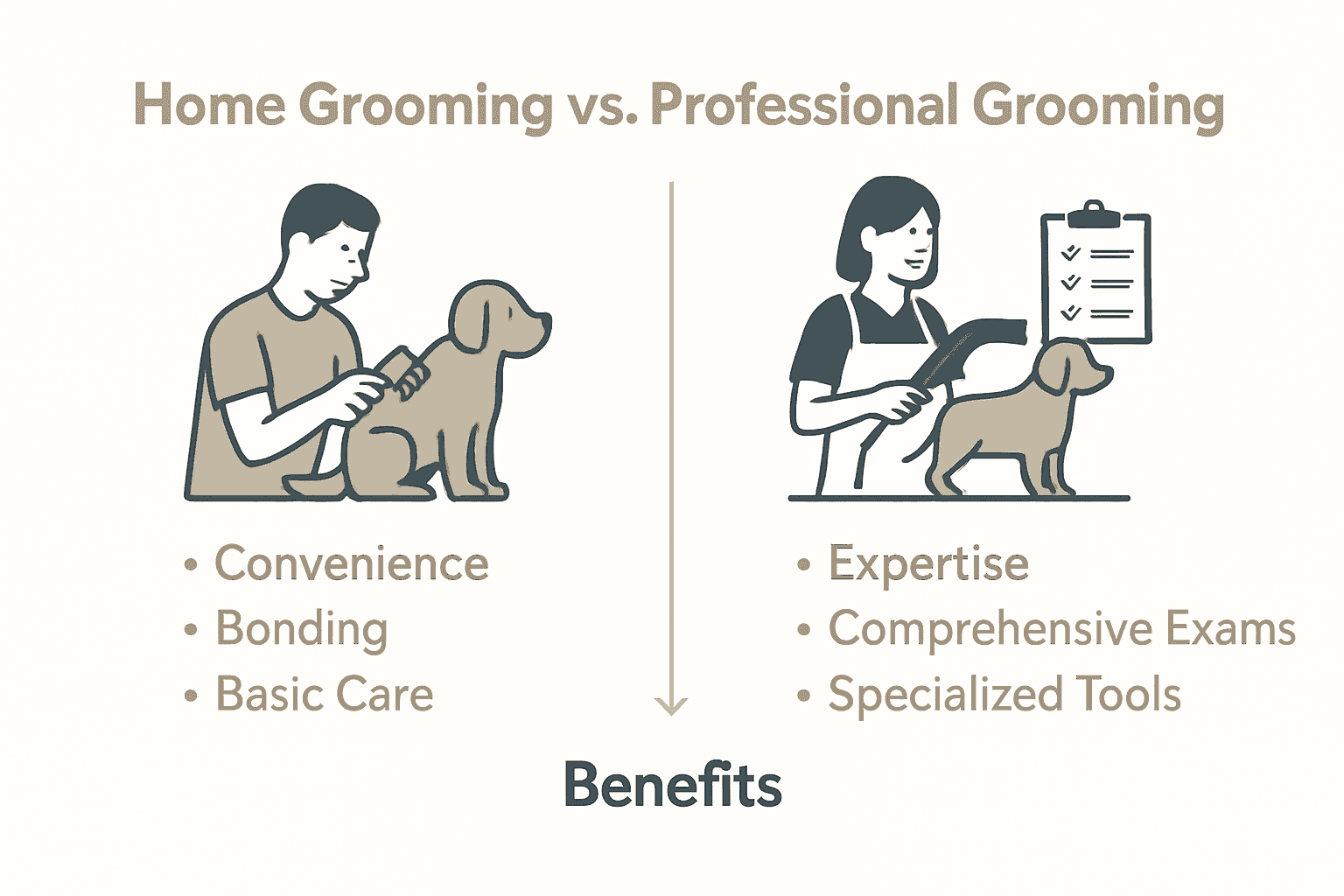
Contrary to popular misconceptions, grooming isn’t exclusively about aesthetics. Each grooming activity serves a specific health purpose. Brushing removes loose hair and distributes natural skin oils, nail trimming prevents painful overgrowth, ear cleaning prevents infections, and dental care supports overall systemic health. Professional grooming goes beyond what most pet owners can achieve at home, providing thorough examinations that can detect early signs of potential health issues.
Unfortunately, numerous myths surround dog grooming that can mislead owners. Groomer to Groomer highlights critical misconceptions, such as the widespread belief that certain dog breeds are truly “hypoallergenic” or that smooth-coated dogs inherently shed less. These myths can lead to inappropriate grooming expectations and potentially inadequate pet care.
Key grooming myths to be aware of include:
- All dogs with short hair require minimal grooming
- Bathing a dog frequently will automatically improve their coat health
- Professional grooming is unnecessary for small or indoor dogs
- One grooming approach works identically for all dog breeds
Effective dog grooming requires understanding your specific dog’s unique needs, coat type, and individual health requirements. Regular, attentive grooming isn’t just about maintaining appearance—it’s a fundamental component of comprehensive pet healthcare that supports your dog’s overall well-being and comfort.
Types of Dog Grooming Services and Tools
Professional dog grooming encompasses a wide range of services and specialized tools designed to maintain your pet’s health and appearance. Animal Behavior College highlights the comprehensive toolkit professional groomers utilize to provide top-quality care for dogs of all breeds and sizes.
The core grooming services typically include several essential processes. Professional grooming services generally cover:
- Full body haircuts and styling
- Bathing and shampooing
- Nail trimming and filing
- Ear cleaning
- Teeth brushing
- Coat brushing and detangling
- Skin and coat health assessment
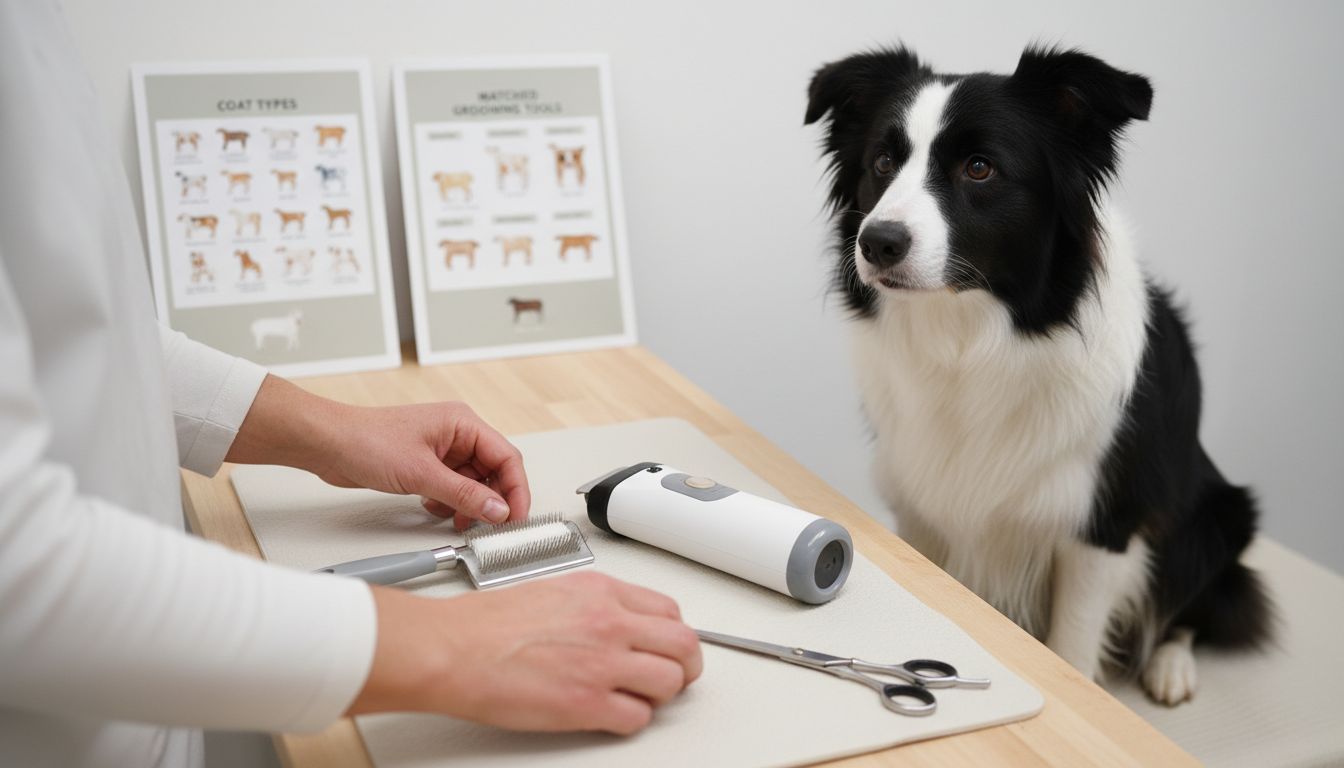
According to Pets Care, professional dog groomers rely on a sophisticated array of tools to deliver comprehensive care. These tools are carefully selected to address different coat types, sizes, and specific grooming requirements. Key grooming tools include:
- High-velocity dryers for efficient coat drying
- Professional-grade clippers with multiple blade sizes
- Precision grooming shears
- Specialized brushes and combs for different coat textures
- Nail trimmers and grinders
- Pet-safe shampoos and conditioners
While professional grooming services offer comprehensive care, many pet owners can also learn basic grooming techniques at home. Learn more about essential grooming tools for beginners to understand how to maintain your dog’s hygiene and appearance between professional sessions. Understanding the right tools and techniques can help you keep your furry friend looking and feeling their best.
Step-by-Step Dog Grooming Process
SB County Animal Services emphasizes that dog grooming is a comprehensive process involving multiple critical steps. Effective grooming goes beyond simple aesthetics, serving as an essential health maintenance routine that requires patience, skill, and systematic approach.
The fundamental dog grooming process typically follows these key stages:
- Pre-Grooming Preparation
- Gather all necessary grooming tools
- Choose a quiet, comfortable workspace
- Calm and secure your dog
- Inspect coat, skin, and overall condition
- Brushing and Coat Maintenance
- According to Animal Behavior College, select appropriate brush based on coat type
- Use slicker brushes for detangling
- Employ wire pin brushes for longer coats
- Remove loose hair and prevent matting
- Check for skin irritations or unusual lumps
- Bathing Process
- Select appropriate dog-specific shampoo
- Use lukewarm water
- Thoroughly wet the coat
- Apply shampoo, massaging into coat
- Rinse completely to prevent skin irritation
- Towel dry or use low-heat blow dryer
- Additional Grooming Tasks
- Trim nails carefully
- Clean ears gently
- Brush teeth
- Check and clean eye areas
While professional grooming offers comprehensive care, many owners can learn basic techniques at home.
Check out our essential pet grooming tips guide to enhance your dog’s grooming routine and maintain their health between professional sessions.
Health, Hygiene, and Safety Considerations
SB County Animal Services emphasizes that grooming is fundamentally a health maintenance practice, not just a cosmetic procedure. Regular grooming serves as a critical preventive healthcare approach, allowing pet owners to monitor their dog’s overall physical condition and catch potential health issues early.
Key Health Risks to Monitor During Grooming:
- Skin infections and irritations
- Parasitic infestations
- Unusual lumps or growths
- Ear and dental health problems
- Nail and paw condition issues
Groomer to Groomer highlights that proper grooming is essential for all dog breeds, regardless of coat length. Safety considerations extend beyond physical handling and include:
- Tool Safety
- Use sharp, clean grooming tools
- Regularly sanitize equipment
- Replace damaged or worn tools
- Choose age and breed-appropriate tools
- Physical Safety
- Work in a calm, secure environment
- Use gentle, consistent handling techniques
- Watch for signs of stress or discomfort
- Take breaks if your dog becomes anxious
- Hygiene Precautions
- Use pet-specific cleaning products
- Avoid human shampoos or chemicals
- Maintain proper water temperature
- Dry thoroughly to prevent skin issues
Explore our essential pet grooming tips guide to learn more about maintaining your dog’s health and safety during grooming sessions.
Common Grooming Mistakes to Avoid
Groomer to Groomer highlights critical misconceptions that can significantly impact a dog’s health and appearance. Understanding and avoiding common grooming mistakes is essential for maintaining your pet’s overall well-being and preventing potential long-term health issues.
Dangerous Misconceptions About Dog Grooming:
- Assuming all dogs require identical grooming approaches
- Believing smooth-coated dogs need less maintenance
- Thinking no dog breed requires professional grooming
- Neglecting breed-specific coat care requirements
According to Animal Behavior College, selecting inappropriate grooming tools is one of the most common and potentially harmful mistakes pet owners make. Critical tool selection errors include:
- Using human brushes on dog coats
- Choosing incorrect brush types for specific coat textures
- Applying excessive pressure during brushing
- Neglecting to clean and sanitize grooming tools
Top Grooming Mistakes That Can Harm Your Dog:
- Bathing Errors
- Using human shampoo
- Bathing too frequently
- Not rinsing thoroughly
- Using water that’s too hot or cold
- Nail and Hygiene Mistakes
- Cutting nails too short
- Ignoring ear and dental hygiene
- Skipping regular coat inspections
- Rushing through grooming sessions
Explore our essential pet grooming tools guide to learn how to select the right equipment and avoid common grooming pitfalls that could potentially harm your furry friend.
Elevate Your Dog Grooming Routine with the Right Tools and Care
Dog grooming is essential for your pet’s health and happiness. The challenges of selecting the right brushes, safely trimming nails, and maintaining overall hygiene can be overwhelming. If you want to avoid common grooming mistakes and provide your dog with expert-level care at home, it starts with having the right tools and understanding your dog’s unique needs.
Discover premium quality products designed for every coat type and grooming task in our Pet Grooming Tools | Paw Heroes Shop.

Ready to transform your dog’s grooming experience and strengthen your bond through reliable care? Visit Paw Heroes Shop today for trusted grooming essentials and explore helpful resources to keep your furry friend healthy and comfortable. Don’t wait until grooming becomes a struggle — take action now and make every grooming session a positive moment of love and care.
Frequently Asked Questions
What is the importance of dog grooming beyond aesthetics?
Dog grooming is crucial for maintaining a dog’s overall health and hygiene. It includes essential practices such as nail trimming, ear cleaning, and dental care, which help prevent health issues and keep your dog comfortable.
How often should I groom my dog?
The frequency of grooming depends on your dog’s breed, coat type, and lifestyle. Generally, long-haired breeds may require grooming several times a week, while short-haired breeds may need grooming once every few weeks. Regular checks can help determine specific needs.
What basic grooming tools do I need for my dog at home?
Essential grooming tools include a high-quality brush suitable for your dog’s coat type, nail clippers or grinders, ear cleaning solution, and dog-specific shampoo. Having the right tools will help you maintain your dog’s hygiene and appearance.
Can I groom my dog myself, or should I always hire a professional?
While many basic grooming tasks can be done at home, such as brushing and nail trimming, professional grooming can provide comprehensive care and early detection of potential health issues. It’s beneficial to combine both home grooming and professional services based on your dog’s needs.