

Pet Grooming Safety Tips for Stress-Free Sessions
Over 60 percent of american households have at least one pet, highlighting just how important safe home grooming practices have become. Keeping your pet healthy and looking their best involves more than a quick brush or bath. A thoughtful grooming routine protects your pet’s well-being and strengthens your bond. This guide walks you through smart steps for creating a calmer, safer grooming experience every time you reach for the clippers or comb.
Table of Contents
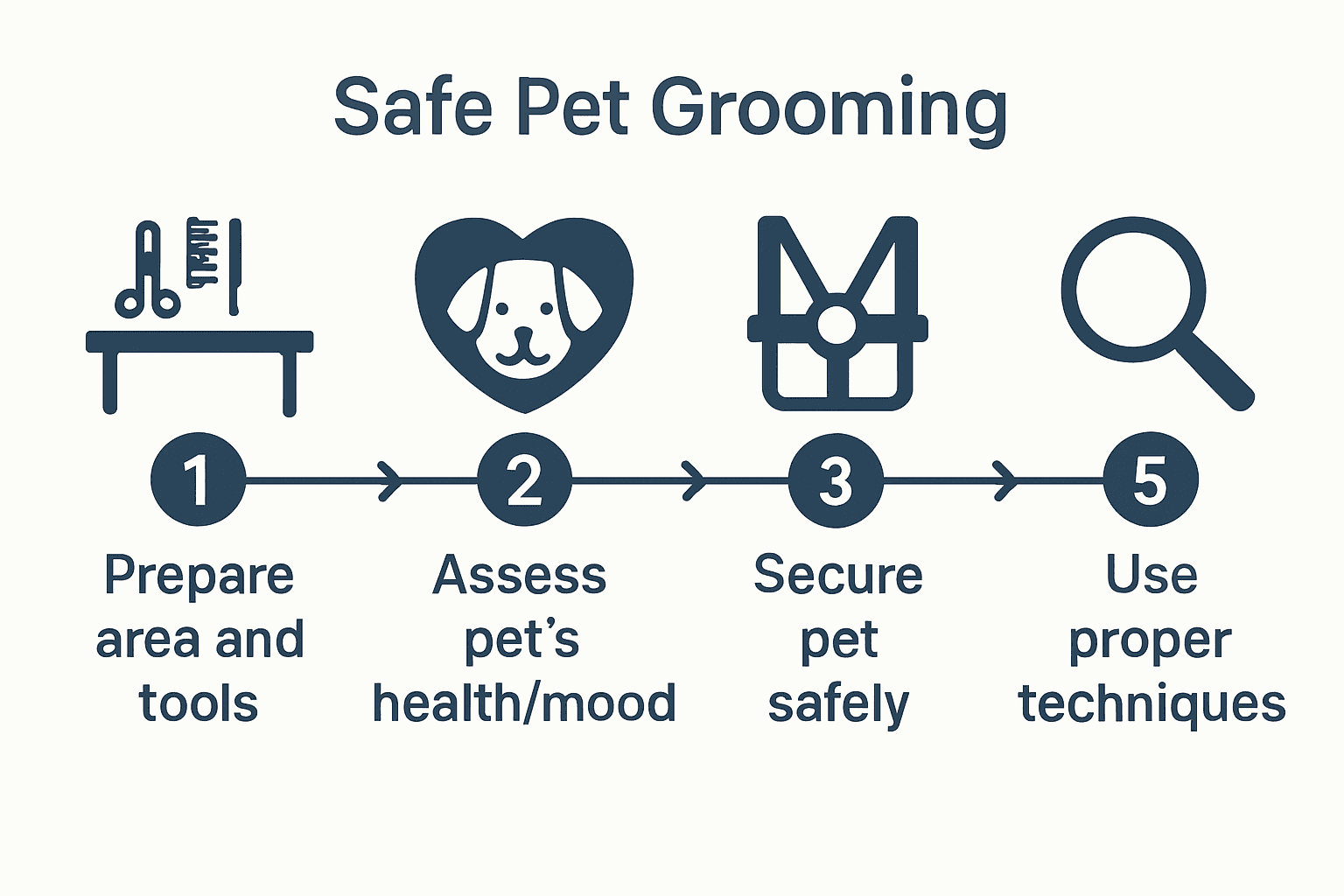
- Step 1: Prepare the Grooming Area and Tools
- Step 2: Assess Your Pet’s Condition and Temperament
- Step 3: Secure Your Pet for Safe Grooming
- Step 4: Use Grooming Tools with Proper Technique
- Step 5: Check for Injuries or Skin Issues After Grooming
Quick Summary
| Important Insight | Explanation |
|---|---|
| 1. Set Up a Safe Grooming Area | Choose a well-lit, non-slip surface, and arrange your tools efficiently to promote safety and comfort for your pet. |
| 2. Assess Pet’s Health and Mood | Evaluate your pet’s physical state and emotional condition to adapt your grooming approach for a smoother experience. |
| 3. Secure Your Pet Properly | Use stable surfaces and appropriate restraints to ensure safety, while maintaining contact to reassure your pet during grooming. |
| 4. Apply Proper Grooming Techniques | Use the right tools for your pet’s coat type and observe their reactions, adjusting your approach to keep them calm and comfortable. |
| 5. Inspect for Issues After Grooming | Conduct a thorough examination of your pet post-grooming to identify any injuries, skin issues, or parasites that may need attention. |
Step 1: Prepare the Grooming Area and Tools
Creating a safe and efficient grooming environment is crucial for a stress-free experience with your pet. According to AKC, maintaining a sturdy and well-organized grooming space helps ensure both pet and owner safety during the entire process.
Start by selecting a dedicated grooming area with ample lighting and a non slip surface. Direct Animal recommends arranging your workspace to follow a natural workflow that minimizes unnecessary movement. This means positioning your tools in the order you will use them, with frequently used supplies within easy reach. Consider setting up a stable grooming table with a secure restraint system to keep your pet comfortable and prevent unexpected movements.
Prepare all your tools before beginning the grooming session. This includes brushes, combs, clippers, scissors, towels, and cleaning supplies. Inspect each tool for damage or wear, ensuring they are clean and functioning correctly. A well-organized toolkit not only makes the process smoother but also helps keep your pet calm and cooperative throughout the grooming experience.
Step 2: Assess Your Pet’s Condition and Temperament
Before starting any grooming session, it is crucial to carefully evaluate your pet’s physical and emotional state. Understanding your pet’s current health and mood will help ensure a safe and comfortable grooming experience for both of you.
Animal Medical Center recommends paying close attention to your pet’s medical history and temperament before beginning. If your pet has any existing health conditions such as diabetes or skin sensitivities, these could impact how you approach grooming. Some pets might require special handling or even consultation with a veterinarian before a grooming session.
Carefully observe your pet’s current mood and energy levels. Look for signs of anxiety, discomfort, or recent injuries that might make grooming challenging. If your pet seems particularly stressed, consider breaking the grooming process into smaller, more manageable steps or consulting a professional groomer who can help manage a nervous animal. A patient and observant approach will help create a positive grooming experience that keeps your pet calm and cooperative.
Step 3: Secure Your Pet for Safe Grooming
Securing your pet properly during grooming is essential for preventing accidents and ensuring both your safety and your pet’s comfort. The right restraint technique can make the entire grooming process smoother and less stressful for everyone involved.
Curious Dogs emphasizes the critical importance of using a stable grooming surface with non slip materials. Choose a grooming table or platform that provides a secure base and use appropriate restraints that keep your pet calm without causing unnecessary stress. Look for adjustable harnesses or grooming loops that distribute pressure evenly and allow your pet some movement while preventing sudden jumps or falls.
Gingrapp recommends maintaining a clean and organized workspace to minimize potential hazards. Keep sharp tools like scissors and clippers out of reach when not in use, and ensure your pet is secured before picking up any grooming implements. Always stay attentive and maintain physical contact with your pet to provide reassurance and quickly respond to any signs of discomfort or anxiety. Remember that a calm and secure environment is key to a successful grooming session.
Step 4: Use Grooming Tools with Proper Technique
Successful pet grooming requires understanding and correctly applying the right tools for your pet’s specific coat and needs. The technique you use can make a significant difference in your pet’s comfort and the overall grooming experience.
San Bernardino County provides expert guidance on selecting the appropriate brushes for different coat types. For long haired pets, use pin brushes that gently detangle without causing skin irritation. Soft slicker brushes work best for matted areas or smooth coated animals. Always brush in the direction of hair growth and use gentle but firm strokes to prevent pulling or causing discomfort.
Good Paws recommends establishing a consistent grooming routine that includes regular brushing to distribute natural oils and remove loose fur. When bathing, use pet specific shampoos and avoid human products that can damage your pet’s sensitive skin. Pay attention to your pet’s reactions and adjust your technique accordingly, moving slowly and offering plenty of praise and treats to create a positive association with grooming tools and processes.
Step 5: Check for Injuries or Skin Issues After Grooming
After completing the grooming session, carefully examining your pet becomes a crucial final step to ensure their overall health and wellness. This thorough inspection helps identify any potential problems that might have occurred during the grooming process.
ASPCA recommends conducting a comprehensive post grooming examination by systematically checking your pet’s skin and coat. Look carefully through the fur for any hidden issues such as wounds, areas of hair loss, inflammation, or signs of skin irritation. Pay special attention to detecting parasites like ticks and fleas, watching for black specks of dried blood that indicate flea activity.
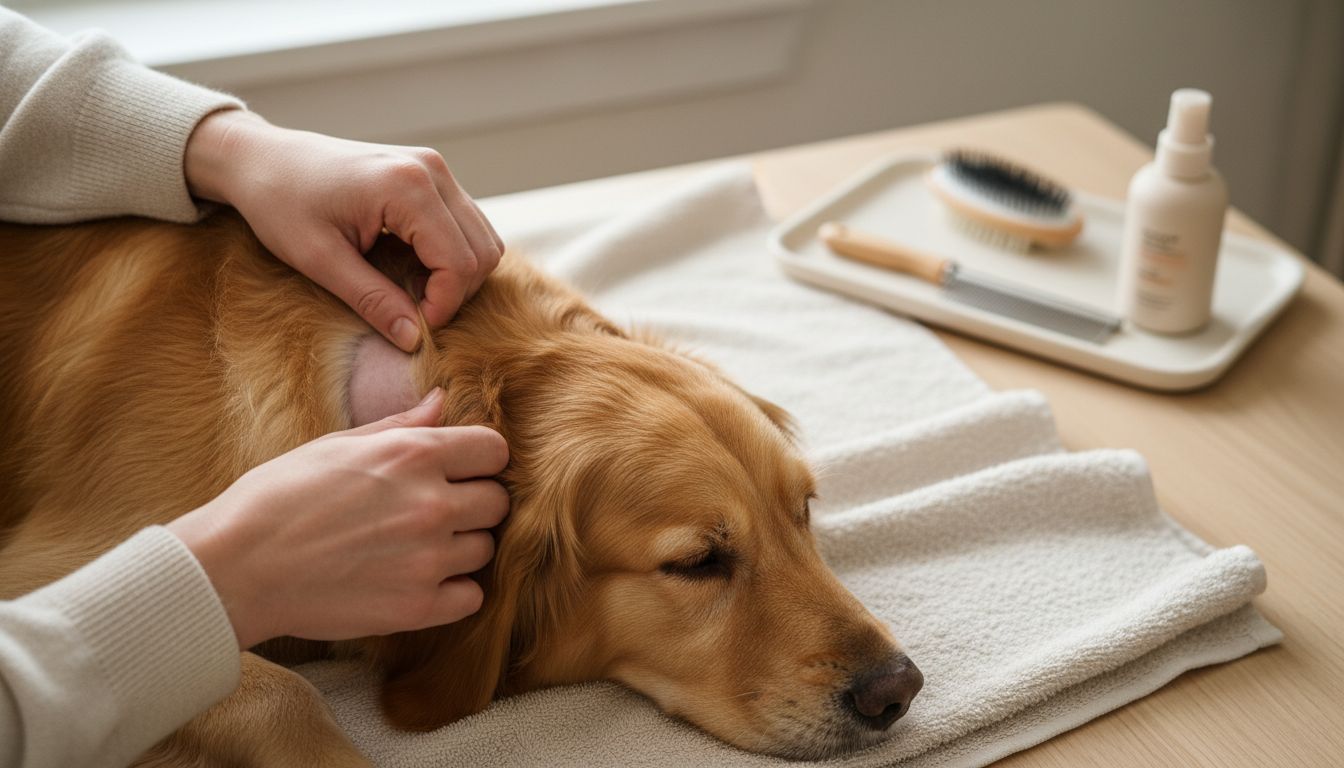
Move slowly and gently while examining your pet, using good lighting to help spot any subtle changes or abnormalities. Check sensitive areas including ears, paws, belly, and around the tail for cuts, scratches, or unexpected bumps. If you discover anything concerning, document the issue and consult your veterinarian promptly. Remember that early detection can prevent minor issues from developing into more serious health complications.
Make Grooming Safer and Easier with the Right Tools and Gear
Grooming your pet can feel overwhelming when you worry about safety, comfort, and stress. The article highlights crucial points like securing your pet properly, choosing the right brushes, and maintaining a clean grooming area. Many pet owners struggle with keeping their pets calm and avoiding injuries during sessions. That is why having reliable and well-designed pet grooming tools makes all the difference. From gentle brushes to safe clippers, the right equipment can transform grooming into a smooth, stress-free routine.

Explore our carefully selected Pet Grooming Tools | Paw Heroes Shop for safe and effective grooming solutions. Pair your grooming setup with comfort and control using our Smart Dog Leashes | Paw Heroes Shop to keep your pet secure during outdoor preparation or exercise before a grooming day. Visit Paw Heroes Shop today and equip yourself with trusted products designed to protect your furry friend. Start creating calm and confident grooming sessions now for a happier pet and you.
Frequently Asked Questions
How can I create a safe grooming area for my pet?
Creating a safe grooming area involves choosing a well-lit space with a non-slip surface and organizing your tools. Arrange your grooming supplies in the order you’ll use them and ensure you have a secure grooming table to prevent accidents.
What should I assess before grooming my pet?
Before grooming your pet, evaluate their physical condition and temperament. Check for any health issues or signs of anxiety that might affect the grooming session, and adjust your approach accordingly to ensure a comfortable experience.
How do I secure my pet for grooming?
Secure your pet using a stable grooming surface and appropriate restraints like adjustable harnesses. These should allow for some movement while keeping your pet calm and safe, reducing the risk of accidents during grooming.
What grooming techniques should I use for different coat types?
Use grooming tools suited to your pet’s coat type, such as pin brushes for long-haired pets or slicker brushes for matted areas. Always brush in the direction of hair growth, maintaining a gentle touch to keep your pet comfortable throughout the process.
What should I check for after grooming my pet?
After grooming, conduct a thorough inspection of your pet’s skin and coat for any injuries, irritations, or parasites. Look closely in sensitive areas and consult a veterinarian if you find any concerning signs to address potential health issues promptly.