

Automatic Water Dispensers: Everything You Need to Know
More than 60 percent of american households own at least one pet, according to recent surveys, yet many struggle to keep water bowls fresh and full all day. Automatic water dispensers are changing that routine for busy pet owners. These devices use smart technology to ensure pets get clean water whenever they need it, reducing stress for families and helping pets stay healthier with less effort.
Table of Contents
- What Is an Automatic Water Dispenser?
- Types of Automatic Water Dispensers for Pets
- How Automatic Water Dispensers Work
- Key Benefits and Potential Drawbacks
- Maintenance, Safety Tips, and Common Mistakes
Key Takeaways
| Point | Details |
|---|---|
| Automatic Water Dispensers Provide Convenience | They offer continuous access to fresh water, reducing maintenance for pet owners. |
| Various Types Available | Options include gravity-based, electric fountains, and smart models with advanced features. |
| Consider Maintenance Needs | Regular cleaning and filter replacements are essential for optimal performance and pet safety. |
| Investment in Quality Matters | Selecting a reliable model can mitigate potential drawbacks, ensuring long-term hydration solutions for pets. |
What Is an Automatic Water Dispenser?
An automatic water dispenser is a sophisticated device designed to provide pets with continuous, fresh water without manual intervention. These innovative systems use advanced sensor technology to detect and respond to an animal’s hydration needs, ensuring they always have access to clean drinking water.
Unlike traditional water bowls, automatic water dispensers employ proximity sensors that activate a water flow mechanism when an animal approaches. This touchless technology helps reduce bacterial contamination and maintains a hygienic water source. Many models feature built-in filters that continuously purify water, removing impurities and providing pets with consistently fresh, clean hydration.
The primary benefits of automatic water dispensers include consistent water supply, reduced maintenance for pet owners, and improved pet health. These devices typically have large reservoirs that can hold several days worth of water, making them perfect for busy pet owners who want to ensure their furry companions stay properly hydrated. Some advanced models even include features like adjustable flow rates, multiple drinking surfaces, and smart monitoring capabilities that track water consumption and filter status.
Key features to consider when selecting an automatic water dispenser include reservoir capacity, filtration system, noise level, power source, and compatibility with your specific pet’s size and drinking habits. By investing in a high-quality automatic water dispenser, pet owners can provide a reliable, clean, and convenient hydration solution for their beloved animals.
Types of Automatic Water Dispensers for Pets
Automatic water dispensers for pets come in several distinct categories, each designed to meet different hydration needs and owner preferences. The most common types include gravity-based, electric fountain, and smart sensor-enabled dispensers that integrate advanced monitoring technologies.
Gravity-based water dispensers operate through a simple mechanism where water flows from a large reservoir into the drinking bowl as the animal drinks. These are typically low-maintenance and do not require electricity, making them ideal for pet owners seeking a straightforward solution. Electric fountain models, by contrast, use pumps to circulate water continuously, which helps keep the liquid fresh and encourages pets to drink more by providing moving water that mimics natural streams.
The most advanced category includes high-tech smart water dispensers that incorporate cutting-edge features like integrated cameras, AI monitoring, and health tracking capabilities. These sophisticated devices can detect water levels, monitor pet drinking habits, and even send notifications to owners about hydration status. Some models feature ultrasonic sensors that precisely measure water levels and automatically refill containers, ensuring pets always have access to clean water.
When selecting an automatic water dispenser, pet owners should consider key factors such as their pet’s size, drinking preferences, household environment, and specific health requirements. Features to evaluate include reservoir capacity, filtration system quality, noise level, power source, and compatibility with different pet breeds. By understanding the various types of automatic water dispensers available, owners can make an informed decision that supports their pet’s hydration and overall well-being.
How Automatic Water Dispensers Work
Automatic water dispensers operate through sophisticated mechanisms designed to provide consistent, clean hydration for pets. At their core, these devices utilize advanced sensor technologies and precision engineering to monitor and deliver water automatically, ensuring pets always have access to fresh drinking water.
The fundamental working principle involves a series of interconnected components that work seamlessly together. Most automatic water dispensers use sensor-driven water delivery systems that detect when water levels are low and trigger a refill mechanism. These systems typically include a water reservoir, a pump or gravity-based flow mechanism, and electronic sensors that continuously monitor water quantity and quality. The electronic control unit acts as the brain of the device, regulating water flow, managing filtration, and ensuring optimal hydration conditions.
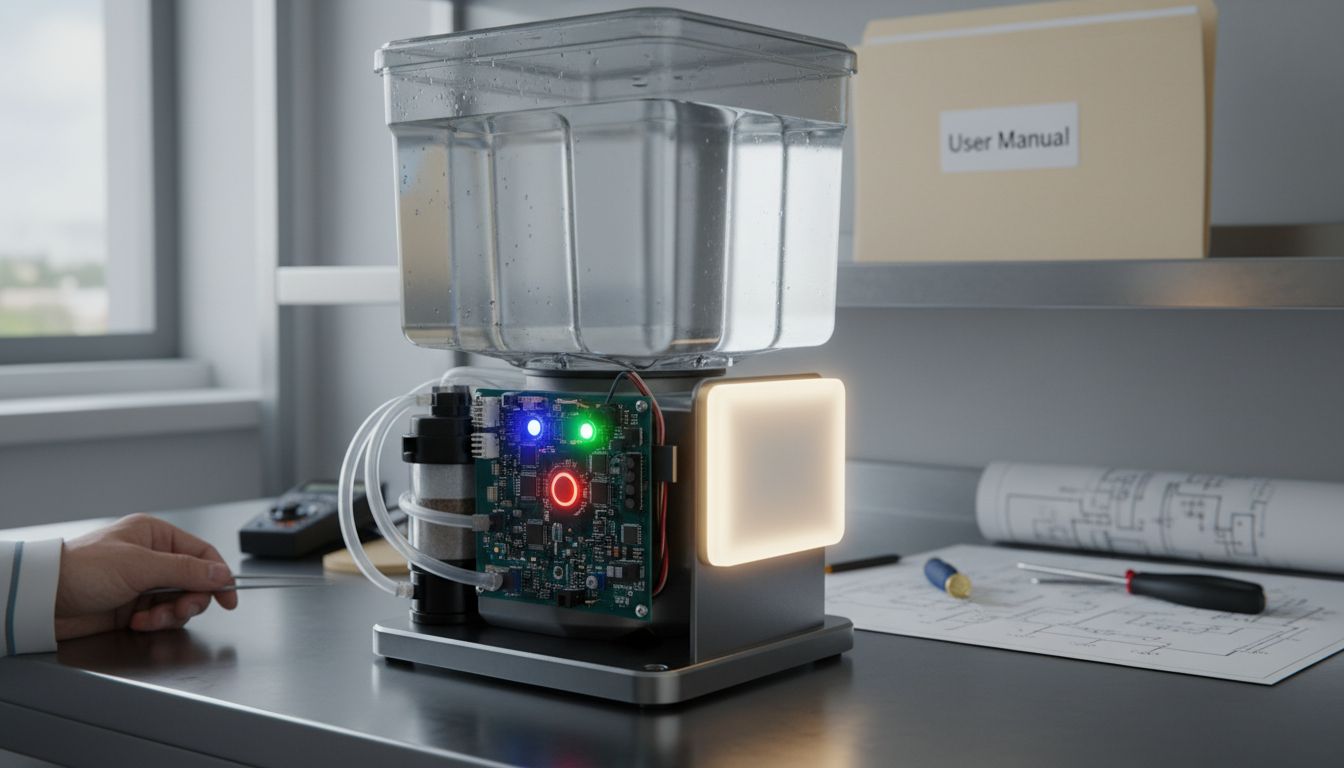
More advanced models incorporate additional sophisticated features like precision monitoring technologies that go beyond simple water delivery. These intelligent systems can track water consumption, detect potential contamination, and even adjust water flow based on the pet’s drinking habits. Some high-end dispensers include built-in filters that continuously purify water, removing impurities and ensuring the highest possible water quality for pets.
The technological complexity of automatic water dispensers varies widely, ranging from basic gravity-fed models to smart devices with AI-powered monitoring capabilities. Key components typically include water level sensors, circulation pumps, filtration systems, and electronic control units. By combining these elements, automatic water dispensers provide a reliable, hygienic, and convenient solution for pet hydration, giving pet owners peace of mind and ensuring their furry companions remain healthy and well-hydrated.
Key Benefits and Potential Drawbacks
Automatic water dispensers offer numerous advantages for pet owners, providing a sophisticated solution to daily hydration challenges. These innovative devices significantly improve pet care by ensuring consistent access to fresh, clean water while reducing the manual effort required for maintaining traditional water bowls.
The primary benefits include enhanced hygiene and water quality. Automatic dispensers help minimize disease transmission by reducing direct contact with water sources and incorporating advanced filtration systems. They continuously circulate and filter water, preventing bacterial growth and keeping the liquid fresh. Additionally, these devices can track water consumption, alerting owners to potential health changes in their pets and providing valuable insights into hydration patterns.

However, automatic water dispensers are not without potential drawbacks. The initial cost and maintenance requirements can be significantly higher compared to traditional water bowls. Some models require regular filter replacements, electrical connections, and periodic cleaning to maintain optimal performance. Technical complications such as sensor malfunctions, pump failures, or electronic issues can also arise, potentially disrupting the water supply and requiring professional repair.
Pet owners should carefully weigh these pros and cons when considering an automatic water dispenser. While the benefits of consistent hydration, improved water quality, and convenience are substantial, the higher upfront costs and potential maintenance challenges must be considered. Selecting a high-quality model from a reputable manufacturer and understanding the specific maintenance requirements can help mitigate potential drawbacks and ensure a reliable, long-term hydration solution for pets.
Maintenance, Safety Tips, and Common Mistakes
Maintaining an automatic water dispenser requires consistent attention and a proactive approach to ensure optimal performance and pet safety. Regular maintenance is crucial for preventing potential issues and extending the device’s operational lifespan.
Sensor functionality and cleanliness are critical components of proper maintenance. Pet owners should develop a routine that includes weekly cleaning of the entire device, focusing on sensor areas, water reservoirs, and filtration components. Key maintenance steps involve thoroughly washing removable parts with mild soap, carefully drying all components, and replacing filters according to manufacturer recommendations. Neglecting sensor calibration and periodic checks can lead to system inefficiencies that might compromise water quality and device performance.
Common mistakes pet owners make include infrequent cleaning, ignoring filter replacement schedules, and failing to inspect electrical connections and moving parts. Potential safety risks arise from using damaged components, allowing mineral buildup, or exposing the device to extreme temperatures. To mitigate these risks, owners should carefully read manufacturer instructions, use only recommended cleaning products, and regularly inspect the device for signs of wear or malfunction.
Establishing a comprehensive maintenance schedule is the most effective strategy for ensuring your automatic water dispenser remains hygienic and functional. This includes monthly deep cleaning, quarterly comprehensive inspections, and immediate attention to any unusual sounds, reduced water flow, or changes in filtration performance. By investing time in proper care and maintenance, pet owners can maximize the longevity of their automatic water dispensers and provide their pets with a consistent, clean water source.
Keep Your Pet Hydrated Effortlessly with Smart Water Solutions
The challenge of ensuring your pet always has fresh clean water is real and important for their health and happiness. Automatic water dispensers use sensor technology and filtration systems to provide a continuous supply of clean water while reducing your daily chores and worries. By choosing a reliable system you avoid the common issues of water contamination and inconsistent hydration that can impact your pet’s wellbeing.
Discover a better way to care for your furry friend by exploring our collection of Smart Pet Water Fountains | Paw Heroes Shop that blend advanced filtration with user-friendly features.
Make your pet’s hydration effortless and fresh every day. Visit Paw Heroes Shop now to find smart water dispenser solutions tailored for your pet’s unique needs. Check out our selection alongside convenient feeding options in Automatic Pet Feeders | Paw Heroes Shop for a complete care upgrade. Take action today and give your loyal companion the clean water they deserve.
Frequently Asked Questions
What is an automatic water dispenser for pets?
An automatic water dispenser is a device designed to provide pets with continuous access to fresh water without manual intervention, using sensor technology to detect when pets need hydration.
How do automatic water dispensers work?
These dispensers utilize advanced sensor technologies and precision engineering to monitor water levels and deliver water automatically, ensuring pets always have access to clean drinking water.
What are the different types of automatic water dispensers available?
The main types include gravity-based water dispensers, electric fountain models, and high-tech smart dispensers that integrate advanced monitoring technologies and features like health tracking and notification alerts.
What are the maintenance requirements for an automatic water dispenser?
Regular maintenance includes weekly cleaning of all components, replacing filters as recommended by the manufacturer, and inspecting the device for any signs of wear or malfunction to ensure optimal performance and hygiene.