

Picking Right Pet Grooming Tools for Your Pet’s Needs
Over 60 percent of american pet owners say grooming their pets at home can feel confusing and stressful. With so many brush types and clippers on the market, it is easy to feel lost about where to start. Choosing the right grooming tools protects your pet’s health and comfort while turning daily care into a positive routine. This guide shows you simple steps to match grooming tools to your pet’s unique needs, making every grooming session easier and safer.
Table of Contents
- Step 1: Assess Your Pet’s Coat And Grooming Needs
- Step 2: Research Essential Grooming Tool Types
- Step 3: Match Tools To Breed-Specific Requirements
- Step 4: Evaluate Tool Quality And Safety Features
- Step 5: Test Tools For Comfort And Effectiveness
Quick Summary
| Key Takeaway | Explanation |
|---|---|
| 1. Assess pet’s grooming needs | Analyze your pet’s coat type and length to select appropriate grooming tools. |
| 2. Research necessary tools | Identify essential grooming equipment tailored to your pet’s specific needs. |
| 3. Match tools to breed characteristics | Choose grooming tools based on your pet’s breed and coat type for best results. |
| 4. Evaluate quality and safety | Select high-quality tools with ergonomic designs for comfort and safety during grooming. |
| 5. Test tools for comfort | Observe your pet’s reactions to ensure grooming tools are comfortable and effective. |
Step 1: Assess Your Pet’s Coat and Grooming Needs
Understanding your pet’s specific coat and grooming requirements is the crucial first step in selecting the right grooming tools. According to the ASPCA, regular brushing plays a key role in maintaining a clean coat, reducing shedding, and preventing uncomfortable matting.
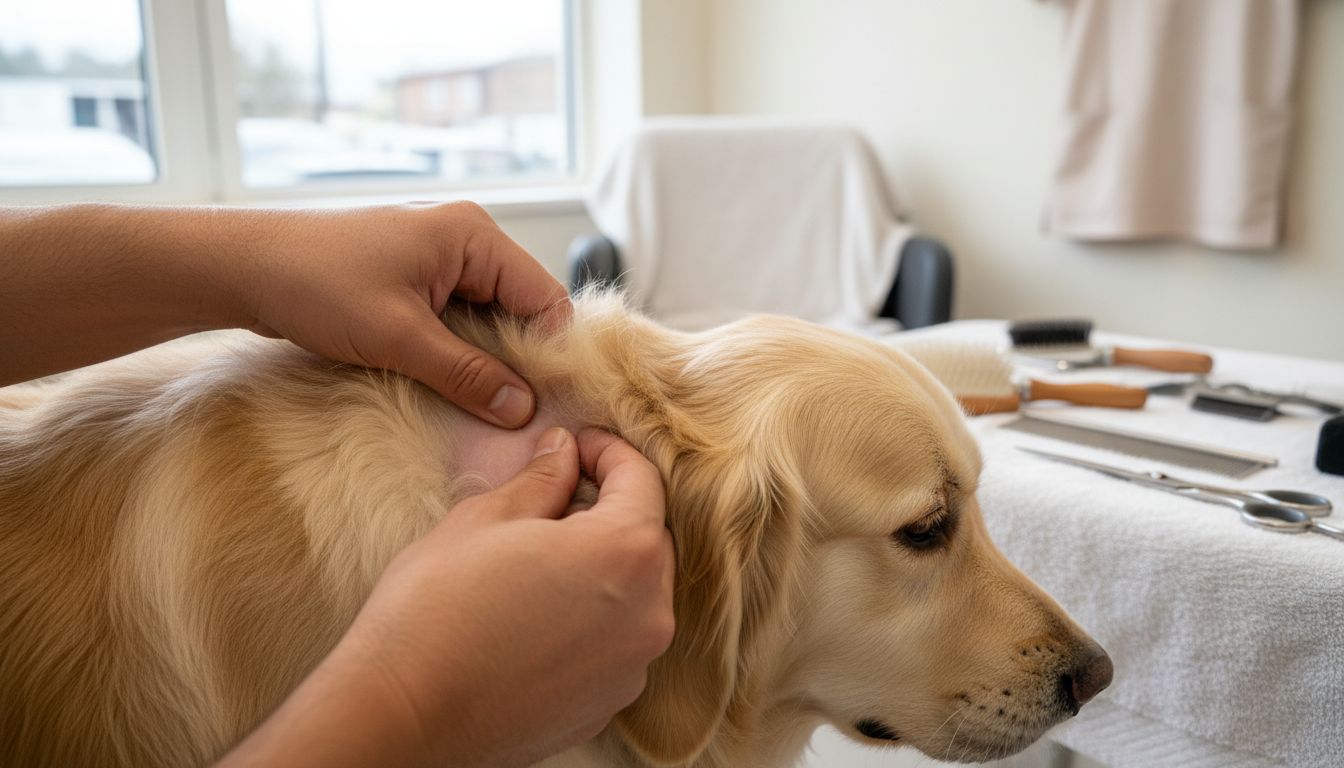
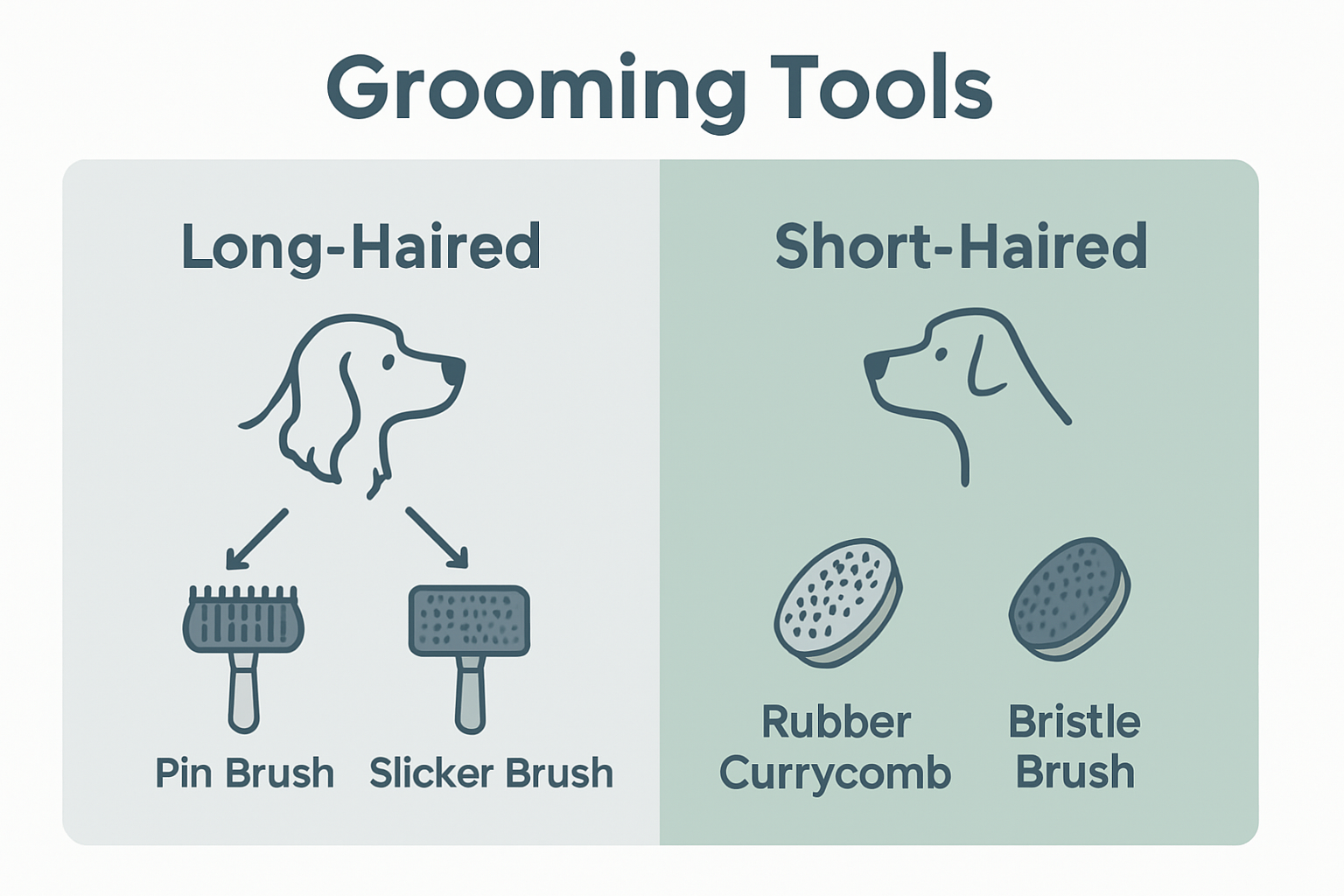
Start by carefully examining your pet’s coat type and length. Short-haired breeds like beagles and boxers will need different tools compared to long-haired breeds such as collies or persian cats. San Bernardino County’s guide recommends using pin brushes for long-haired pets and rubber currycombs for short-haired animals. Check your pet’s coat for texture whether it is fine and silky, thick and dense, or somewhere in between. This initial assessment helps you choose brushes with the right bristle type and spacing.
Pro tip: While examining your pet’s coat, look for any hidden issues like skin irritations, lumps, or parasites. Daily brushing provides an excellent opportunity to monitor your pet’s overall health and catch potential problems early. The more familiar you become with your pet’s unique coat characteristics, the more effectively you can select grooming tools that will keep them comfortable and looking their best.
Step 2: Research Essential Grooming Tool Types
After assessing your pet’s coat, the next critical step is researching the right grooming tools tailored to their specific needs. Animal Behavior College provides a comprehensive overview of essential grooming equipment that can help you make informed decisions. The key is understanding which tools serve specific purposes for different coat types and grooming requirements.
Basic grooming tools every pet owner should consider include brushes, combs, nail clippers, and potentially electric clippers. Pride and Groom Pro recommends stainless steel combs for detangling, high-velocity dryers for efficient coat maintenance, and specialized tools like ear cleaning instruments and nail grinders. Pay special attention to the quality and size of tools matching your pet’s breed and coat characteristics.
Pro tip: When researching tools, prioritize multipurpose items that offer versatility. Quality stainless steel tools with ergonomic handles will provide better control and comfort during grooming sessions. This investment ensures you have reliable equipment that makes the grooming process smoother for both you and your pet.
Step 3: Match Tools to Breed-Specific Requirements
Choosing the right grooming tools isn’t a one-size-fits-all process. Animal Behavior College highlights the importance of selecting specific brushes based on your pet’s unique coat characteristics. Different breeds require distinctly different grooming approaches to maintain their coat’s health and appearance.
San Bernardino County’s guide provides clear recommendations for breed-specific grooming tools. For long-haired breeds like Papillons and Collies, pin brushes work best to prevent matting and distribute natural oils. Short-haired breeds such as Beagles and Dachshunds benefit from rubber currycombs that effectively remove loose fur and stimulate skin circulation. Double-coated breeds like German Shepherds and Huskies require slicker brushes to manage their dense undercoats and prevent excessive shedding.
Pro tip: Always invest in high-quality tools designed specifically for your pet’s breed and coat type. Consult with professional groomers or veterinarians if you are unsure about the most appropriate grooming tools for your specific pet. Remember that proper tool selection not only keeps your pet looking great but also contributes to their overall skin and coat health.
Step 4: Evaluate Tool Quality and Safety Features
Wildlife Rescue Hub emphasizes that selecting high-quality grooming tools is more than just about performance it is about ensuring your pet’s safety and comfort. Professional grade tools can make a significant difference in your grooming experience, reducing potential stress and risk of injury during maintenance sessions.
When evaluating grooming tools, focus on key safety features such as ergonomic designs that provide comfortable handling and reduce strain on both you and your pet. Look for clippers with quieter operation and lower heat generation to prevent discomfort. Carefully inspect brush bristles for smoothness and flexibility to ensure they will not scratch or irritate your pet’s skin. Metal components like scissors and nail trimmers should have rounded tips and smooth edges to minimize accidental nicks or cuts.
Pro tip: Always test new grooming tools gradually. Introduce each tool slowly and reward your pet with treats and praise to create positive associations. This approach helps your pet feel more comfortable and cooperative during grooming sessions. Remember that patience and gentle handling are just as important as the tools you choose.
Step 5: Test Tools for Comfort and Effectiveness
Animal Behavior College provides critical insights into selecting the right grooming tools by highlighting the importance of tension levels in brushes. Different coat types and pet sensitivities require carefully matched tool characteristics to ensure a comfortable grooming experience.
Wildlife Rescue Hub emphasizes that testing grooming tools involves more than just checking their physical attributes. Start by observing your pet’s reaction during initial contact with each tool. For slicker brushes, choose soft tension for puppies and sensitive areas, medium for everyday maintenance, and stronger tensions for pets with dense or thick coats. Watch for signs of discomfort such as flinching, pulling away, or showing signs of stress.
Pro tip: Create a positive testing environment by introducing new grooming tools gradually. Use treats and gentle praise to help your pet associate these tools with pleasant experiences. Short initial sessions can help your pet become comfortable with new grooming implements. Remember that patience and positive reinforcement are key to successful grooming tool adaptation.
Find the Perfect Grooming Tools Tailored to Your Pet’s Needs
Choosing the right grooming tools can feel overwhelming with so many options. You want tools designed for your pet’s unique coat type that offer comfort and safety while keeping them looking their best. This article highlights crucial factors like coat assessment and matching the right brushes, combs, and clippers to your pet’s breed and sensitivities. If you are looking to upgrade your grooming kit with high-quality, effective tools designed specifically for your furry friend, start with Pet Grooming Tools | Paw Heroes Shop.
Don’t let grooming stress you and your pet. Explore our carefully curated selection of grooming supplies that combine safety features with professional-grade quality. Visit our main site at Paw Heroes Shop to discover tools that bring ease and confidence to every grooming session. For a well-rounded pet care experience, check out our Interactive Pet Toys & Accessories | Paw Heroes Shop to keep your pet entertained and happy after grooming. Take the first step toward a healthier, happier coat today.
Frequently Asked Questions
How do I assess my pet’s grooming needs?
Understanding your pet’s coat type and length is the first step. Examine their fur for texture and look for hidden issues while brushing to identify any specific grooming needs.
What grooming tools do I need for my pet’s coat?
Select brushes, combs, and nail clippers tailored to your pet’s specific coat characteristics. Research the essential tools based on your pet’s fur type to ensure effective grooming processes.
How do I match grooming tools to my pet’s breed?
Choose tools designed for your pet’s unique coat characteristics to maintain health and appearance. For example, long-haired breeds may require pin brushes while short-haired breeds benefit from rubber currycombs.
What safety features should I look for in grooming tools?
Prioritize high-quality grooming tools that offer ergonomic designs and smooth bristles. This will ensure safety and comfort for both you and your pet during grooming sessions.
How can I test grooming tools for comfort and effectiveness?
Observe your pet’s reactions when you introduce new tools. Gradually introduce each tool and watch for signs of discomfort, adjusting your technique to enhance their comfort during grooming.
What should I do if my pet seems uncomfortable during grooming?
If your pet shows signs of discomfort, take breaks and provide positive reinforcement with treats. Modify your approach by using softer brushes or shorter grooming sessions to ease their anxiety.